


Yair Goldberg's Lab
Our group develops statistical and machine-learning methods for complex data, with applications in health, medicine and public policy. We work with researchers and public institutions to turn data into reliable evidence and better decisions.
Research
Methodological work developed alongside applications in public health, clinical medicine and health-care policy.
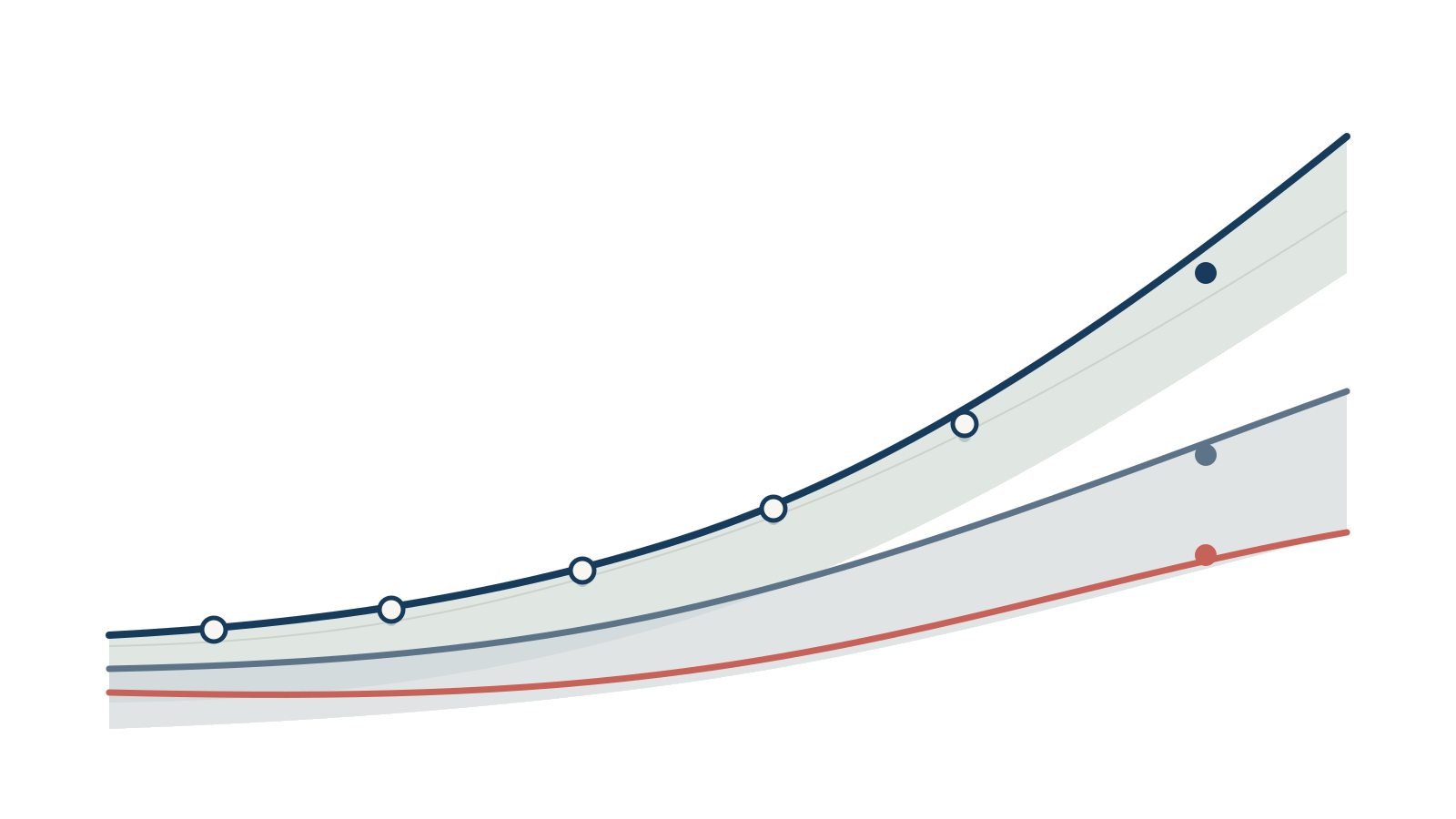
Mental Health and Healthy Ageing
Dementia risk reflects changing health, treatments and social conditions from midlife onwards. We develop methods that update risk as new information accumulates.
Learn more
From longitudinal records to dynamic prevention
Cognitive decline and dementia develop over many years, while the information available about an individual changes continuously. Health conditions, medications, laboratory results, functional measures and social circumstances may all affect risk, and their relevance can vary over time.
Our work develops methods for analysing these complex longitudinal data and producing updated, individual-level risk predictions. This makes it possible to identify periods in which prevention, monitoring or clinical support may be most valuable.
Related work
- Rotstein A, Kodesh A, Goldberg Y, et al. Serum folate deficiency and the risks of dementia and all-cause mortality. Evidence-Based Mental Health, 2022.
- Travis-Lumer Y, Kodesh A, Goldberg Y, et al. Attempted suicide rates before and during the COVID-19 pandemic. Psychological Medicine, 2023.
- Travis-Lumer Y, Kodesh A, Goldberg Y, et al. Biopsychosocial exposure to the COVID-19 pandemic and the relative risk of schizophrenia. European Psychiatry, 2022.
- Frangou S, Travis-Lumer Y, Kodesh A, Goldberg Y, et al. Increased incident rates of antidepressant use during the COVID-19 pandemic. Psychological Medicine, 2023.
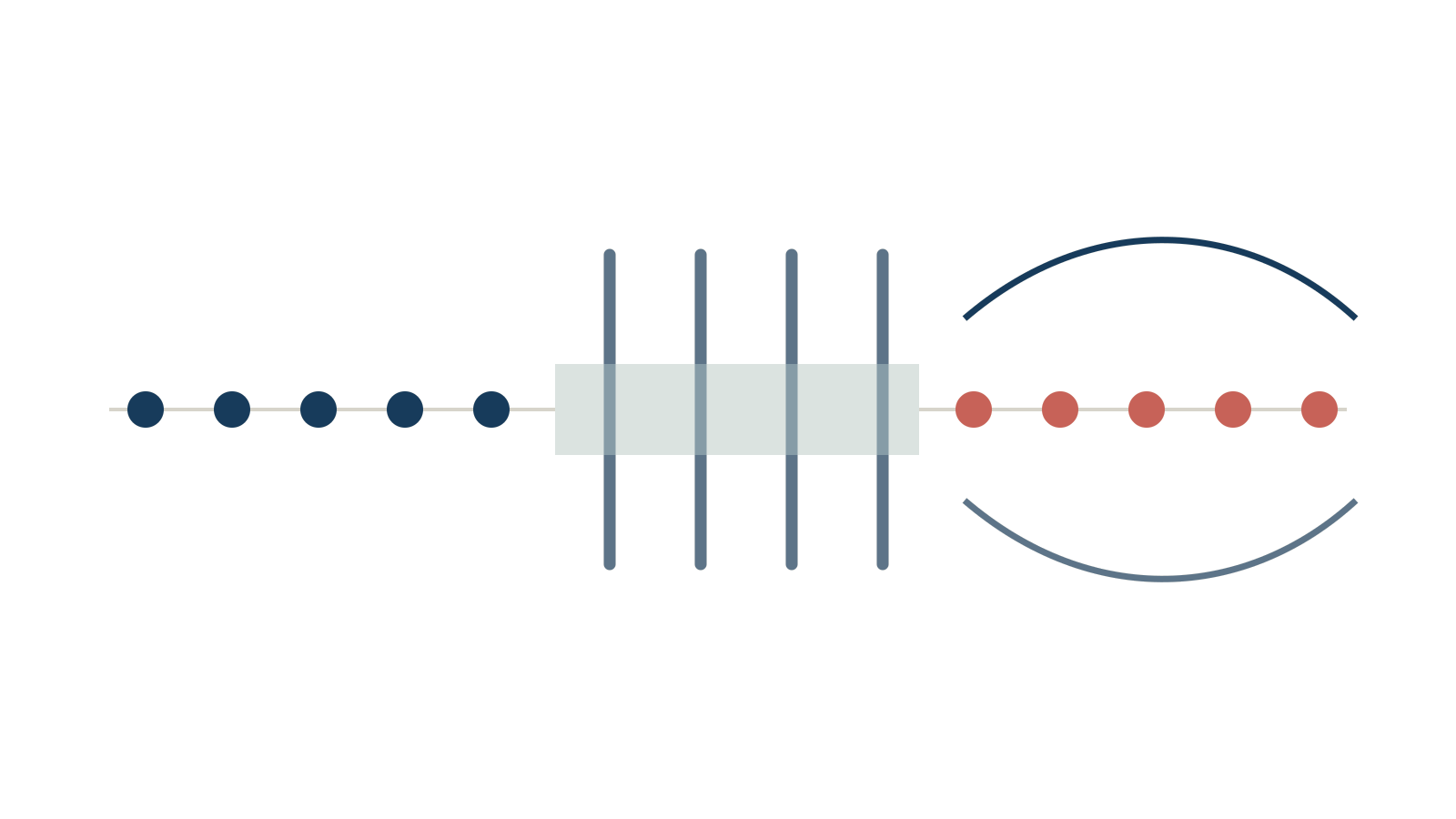
Health-care Access and Waiting Times
We study how demand, referrals and service capacity interact to shape access to care. Additional capacity alone does not necessarily reduce waiting times: demand and referral patterns may change as services expand.
Learn more
Measuring access, understanding queues, improving care
Waiting time is not simply a measure of how many appointments are available. It reflects a dynamic system: patients enter through different referral pathways, providers differ in capacity and practice, and demand changes in response to clinical need, policy and service availability.
We use population-level administrative and clinical data to measure waiting times across services and patient groups, identify disparities, and evaluate changes in policy or capacity. The goal is to provide evidence that helps health systems decide where interventions are most likely to improve timely care.
Related work
- Murad H, Myers V, Ziv A, Wilf-Miron R, Goldberg Y, et al. Measuring geographical disparities in waiting times for community-based specialist care. Israel Journal of Health Policy Research, 2025.
- Waiting times for elective surgical procedures: Implementation of a national measurement methodology. Manuscript in preparation.
- Smart Learning or Simple Rules? MRI Capacity Planning with Endogenous Demand. Manuscript submitted.
- Silent Abandonment in Text-Based Contact Centers: Identifying, Quantifying, and Mitigating its Operational Impacts. Manuscript submitted.

Vaccines and Infectious Disease
Using nationwide health data, we study vaccine effectiveness, waning immunity and the benefit of booster doses as variants, prior infection and population behaviour change over time.
Learn more
Evidence that evolves with the epidemic
The effect of a vaccine is not fixed. Protection can change with time since vaccination, the emergence of new variants, prior infection, age, exposure patterns and the evolving composition of the population at risk.
During the COVID-19 pandemic, our group worked with nationwide Israeli data to estimate vaccine effectiveness and its waning over time, and to assess the added protection provided by booster doses. This work continues more broadly in infectious diseases, supporting vaccination policy as new evidence accumulates.
Selected publications
- Goldberg Y, Mandel M, Bar-On YM, et al. Waning Immunity after the BNT162b2 Vaccine in Israel. NEJM, 2021.
- Bar-On YM, Goldberg Y, Mandel M, et al. Protection of BNT162b2 Vaccine Booster against Covid-19 in Israel. NEJM, 2021.
- Goldberg Y, Mandel M, Bar-On YM, et al. Protection and Waning of Natural and Hybrid Immunity to SARS-CoV-2. NEJM, 2022.
- Bar-On YM, Goldberg Y, Mandel M, et al. Protection by a Fourth Dose of BNT162b2 against Omicron in Israel. NEJM, 2022.
- Goldberg Y, Huppert A. To boost or not to boost: navigating post-pandemic COVID-19 vaccination. The Lancet Respiratory Medicine, 2023.
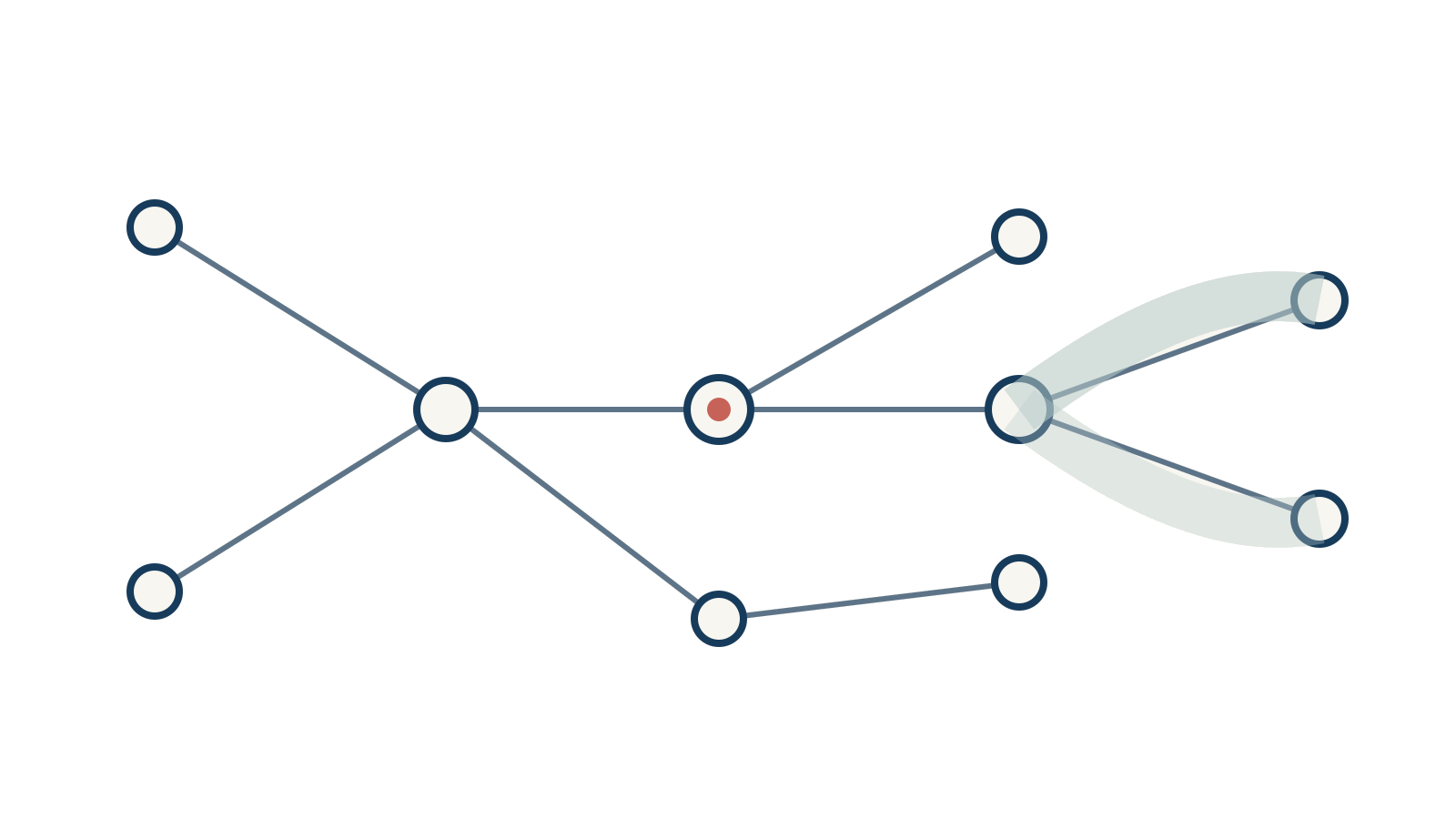
Precision Prevention of Hereditary Breast Cancer
We develop a national, life-course approach to genetic testing, screening and preventive care for women at hereditary risk of breast and ovarian cancer.
Learn more
From a genetic result to lifelong prevention
A pathogenic BRCA1 or BRCA2 variant has important implications for cancer prevention, but it is not a complete prevention plan. Risk and the appropriate preventive options change with age, family history, screening findings, reproductive history, comorbidities and personal preferences.
We are developing a national research platform that follows women from genetic testing through screening, preventive choices and cancer outcomes. The aim is to understand how prevention unfolds in real life, where gaps and inequities arise, and which strategies are most effective for different groups of women.
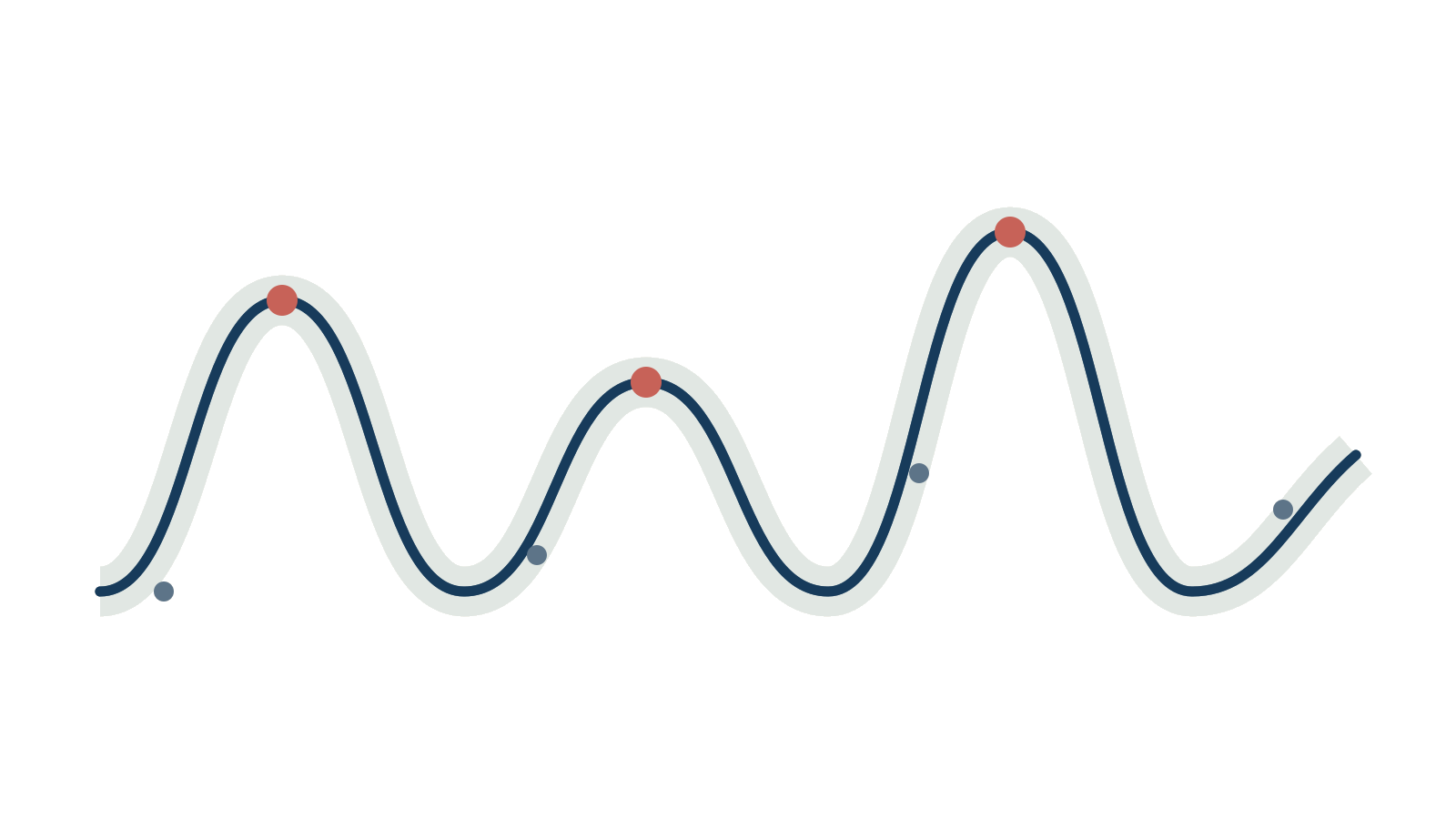
Autoimmune Disease Flares
We use longitudinal health records, laboratory results and treatment histories to estimate recurrent flare risk and support earlier, more informed care.
Learn more
From fragmented records to proactive care
Autoimmune diseases often follow a relapsing-remitting course, but a flare is rarely recorded as one clear, standardised event. We develop reproducible ways to identify flares from medication changes, urgent contacts, emergency visits and hospitalisations, inflammatory laboratory markers, and clinical follow-up.
We then model time to the next flare as a recurrent time-to-event problem, updating risk as new information becomes available. We work with longitudinal data from hospitals, health maintenance organizations and the Kinneret Israel Health Data Lake to study disease activity and recurrent clinical events across autoimmune conditions.
Related work
- Vadasz Z, Goldberg Y, et al. Increased soluble CD72 in systemic lupus erythematosus is in association with disease activity and lupus nephritis. Clinical Immunology, 2016.
- Vadasz Z, Goldberg Y, et al. Lysyl oxidase—a possible role in systemic sclerosis–associated pulmonary hypertension: a multicentre study. Rheumatology, 2019.
- Willner N, Goldberg Y, Schiff E, Vadasz Z. Semaphorin 4D levels in heart failure patients: a potential novel biomarker of acute heart failure? ESC Heart Failure, 2018.
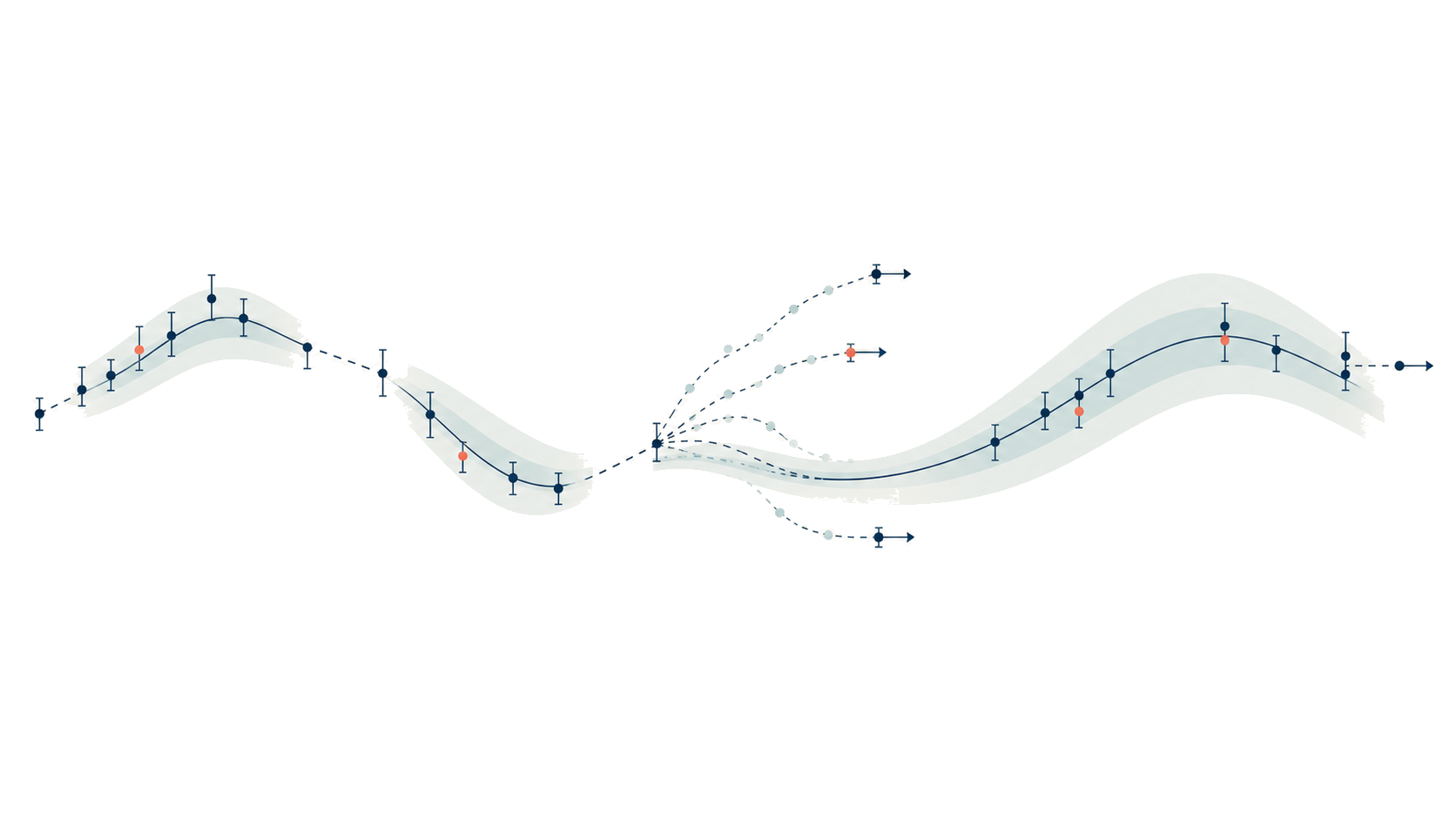
Machine Learning for Missing and Censored Data
We develop machine-learning tools for missing covariates and responses, right-censoring, left truncation and other forms of incomplete or selectively observed data.
Learn more
Learning from incomplete real-world data
Machine-learning methods are often developed under the assumption that the data are complete. In real applications, covariates or outcomes may be missing; an outcome may only be known to exceed a threshold; individuals may enter the data only after reaching a given condition; or a label may be available only for a group of observations.
Our work develops methods that remain reliable under these forms of incomplete information. We combine imputation, inverse-probability weighting and doubly robust estimation with flexible kernel-based and high-dimensional learning methods, providing principled uncertainty quantification and clearer guidance on when a prediction can be trusted.
Selected work
People
Researchers and students working across methodology and real-world applications.

Yair Goldberg
PI
Statistical methodology, machine learning and health data.
Bar Eini
Postdoctoral fellow
Gradient Boosting for Scalable Recurrent-Event Survival Prediction

Amit Berkovitz
PhD student
Dynamic Prediction of Time-to-Event from High-Dimensional Longitudinal Data

Omer Moyal
PhD student
Pseudo-observations, stochastic processes and random forests

Matan Birnboim
MSc student
BRCA screening policy
Guy Glatt
MSc student
Age-specific BRCA risk
Erel Yahalom Gilboa
MSc student
Autoimmune disease flares
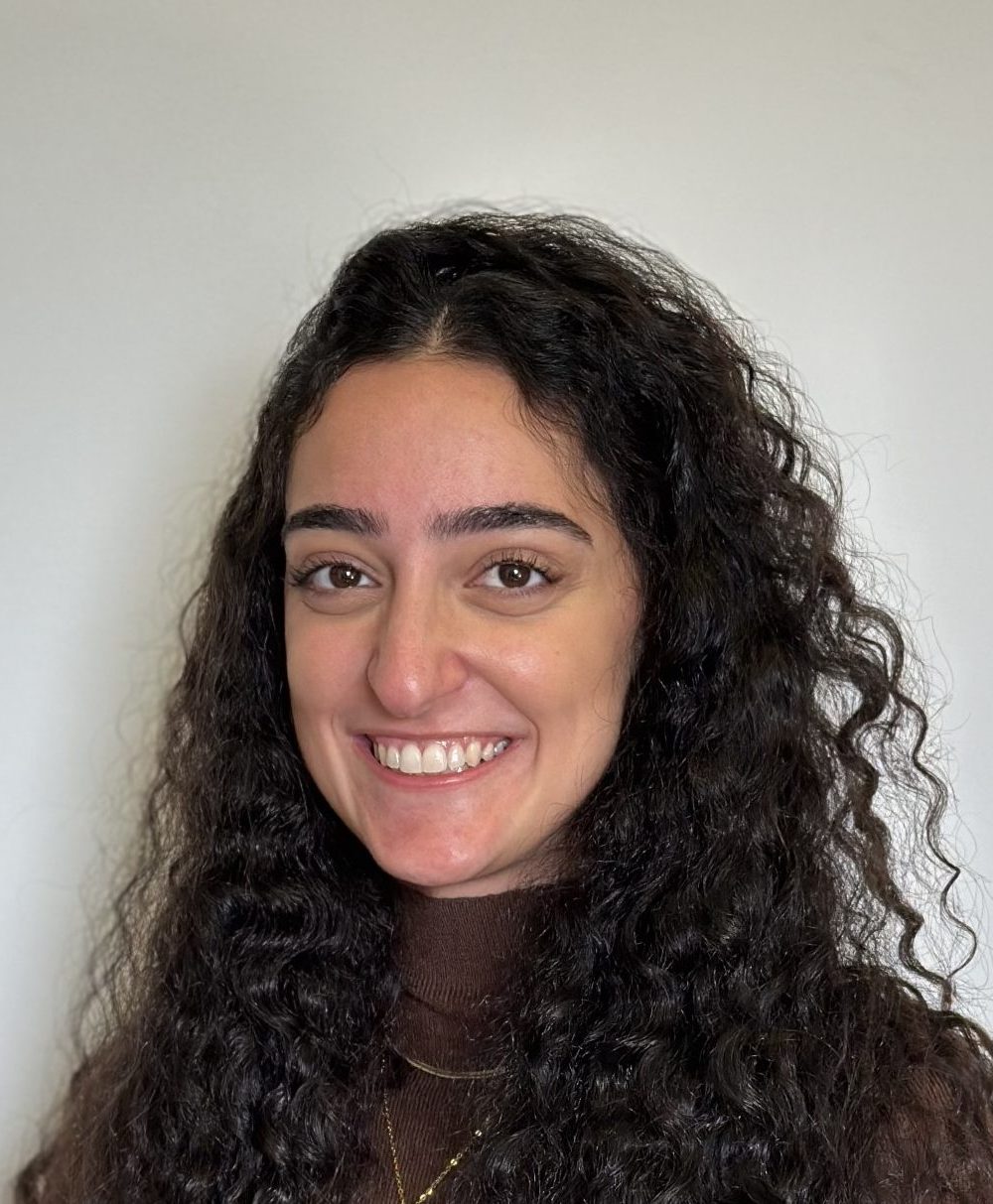
Gabriela Cohen Hadid
MSc student
Dynamic survival prediction
Naomi Derel
MSc student
Time-series models with disruptions
Or Kositsky
MSc student
Dynamic MRI capacity planning under capacity-associated demand using reinforcement learning
Profiles & leadership
Professional roles & affiliations
Get in touch.
For research collaborations, student enquiries and speaking invitations.
Technion – Israel Institute of Technology
Haifa, Israel